

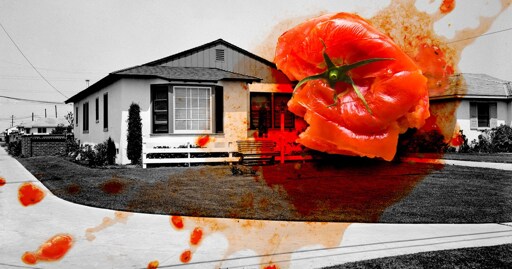
In 2013, Nicole and Dan Virgil lived in a lush, affluent suburb of Chicago. Dan had a good job. Nicole home-schooled their two kids.
Nicole decided to plant her own garden. She and her husband Dan, an engineer, don’t do things by half-measures. They watched YouTube videos on gardening, checked books out of the library and drew up plans. They built a raised bed and dug a wicking reservoir under it lined to store stormwater and drain the swampy, clay soils. They experimented with two plots. They dropped seeds directly into the spaded-up lawn and other seeds into a fertilized raised bed. Most seeds rotted in the clay soils of the lawn. Those that germinated did not thrive in the nutrient-poor earth, but the seeds in the raised bed sprang up in a few days and thrived, producing in coming months vegetables of deep vibrant colors that were delicious.
Autumn comes swiftly to Chicagoland. The Virgils hated to stop gardening. On the web, Nicole noticed farmers in Maine extended the growing season with long, plastic tunnels called hoop houses. You can buy hoop house kits for a couple of hundred dollars, but the Virgils are DIY people. Dan drew up plans for a wood frame connected with PVC pipes. He shored up the supports so the tunnel could withstand 80 mph winds and heavy snow loads. He carefully calculated the height and width of the tunnel to maximize the buildup of passive solar heating inside. They located the hoop house in the middle of the backyard, so it was not visible from the street.
The one thing the Virgils did not think about was the city’s zoning board. Dan and Nicole had lived in Elmhurst for several decades. Elmhurst is a town of squat, white-trimmed, yellow-brick ranch houses placed in the center of spacious lots like iced pastries on a tray. Green lawns frame the houses. The lawns are largely unfenced, rolling along block after block, connecting one neighbor to another, a green communal thread. The Virgils saw neighbors build hockey rinks in their front yards and assemble trampolines and outdoor living rooms in their backyards. They figured the hoop house fell in the same category of a temporary recreational structure. They didn’t count on one neighbor calling the city, asking if the hoop house needed a permit.
One day, they came home to find a Property Maintenance Violation Notice on their front door. The city required a permit for their “greenhouse.” The Virgils stopped building. Dan went down to City Hall and explained their goal—to extend the growing season for a few months. They were not building a greenhouse. They’d take the hoop house down in the spring. He came away with the understanding that as long as the tunnel was temporary, it was ok, like the skating rinks and summer cabanas.
The answer is exactly what I assumed before I started reading. This is a photo of Nicole Virgil.
Guilty of gardening while black.
Ah of course, the classic criminal enterprise of doing anything while black.